



Understanding Your TMJ Diagnosis & Symptoms
An accurate TMJ diagnosis begins with understanding your symptoms and how they affect your daily life. Because TMJ disorders can present differently from person to person, the TMJ PRECISION APPROACH™ starts with a detailed discussion of your concerns, when they began, and whether certain activities or jaw movements make them better or worse.
For patients seeking TMJ treatment in Detroit, symptoms may include jaw pain, headaches, facial tension, ear pain, tinnitus, jaw clicking or popping, teeth grinding, or difficulty chewing comfortably. By evaluating your symptoms alongside your jaw function, bite, and overall health history, the TMJ PRECISION APPROACH™ helps us gain a clearer understanding of what may be contributing to your discomfort and determine the most appropriate next steps.
Comprehensive TMJ Evaluation
A precise TMJ diagnosis requires more than identifying symptoms. We evaluate how the jaw joints, muscles, and bite function together to better understand the source of your discomfort.
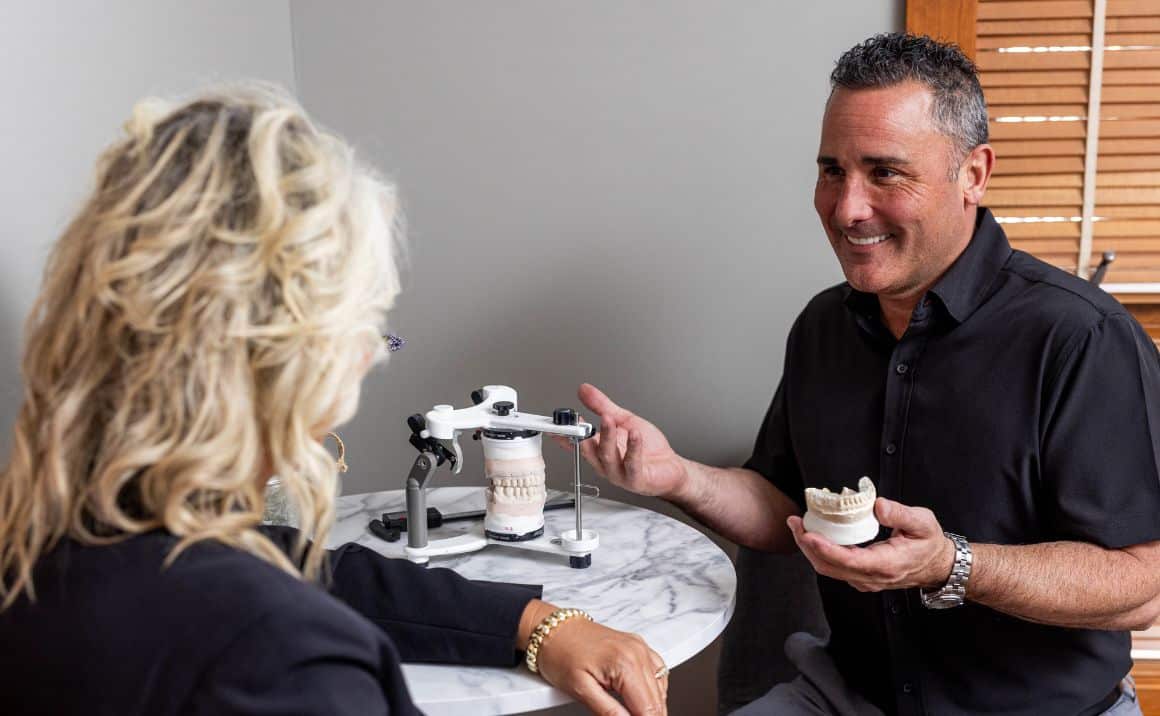
During your evaluation with our Detroit TMJ dentist, we assess how your jaw opens, closes, and moves during normal function. We also evaluate jaw movement patterns, joint sounds, and range of motion to identify signs of dysfunction that may be contributing to your symptoms.
Or Call (248) 480-0085
Muscle And Joint Examination
As a Detroit TMJ dentist, Dr. Jeffrey Haddad understands that TMJ symptoms often involve more than just the jaw joints themselves. Muscle tension, joint dysfunction, and bite imbalances can all contribute to symptoms such as jaw pain, headaches, facial tension, ear symptoms, and limited jaw movement.
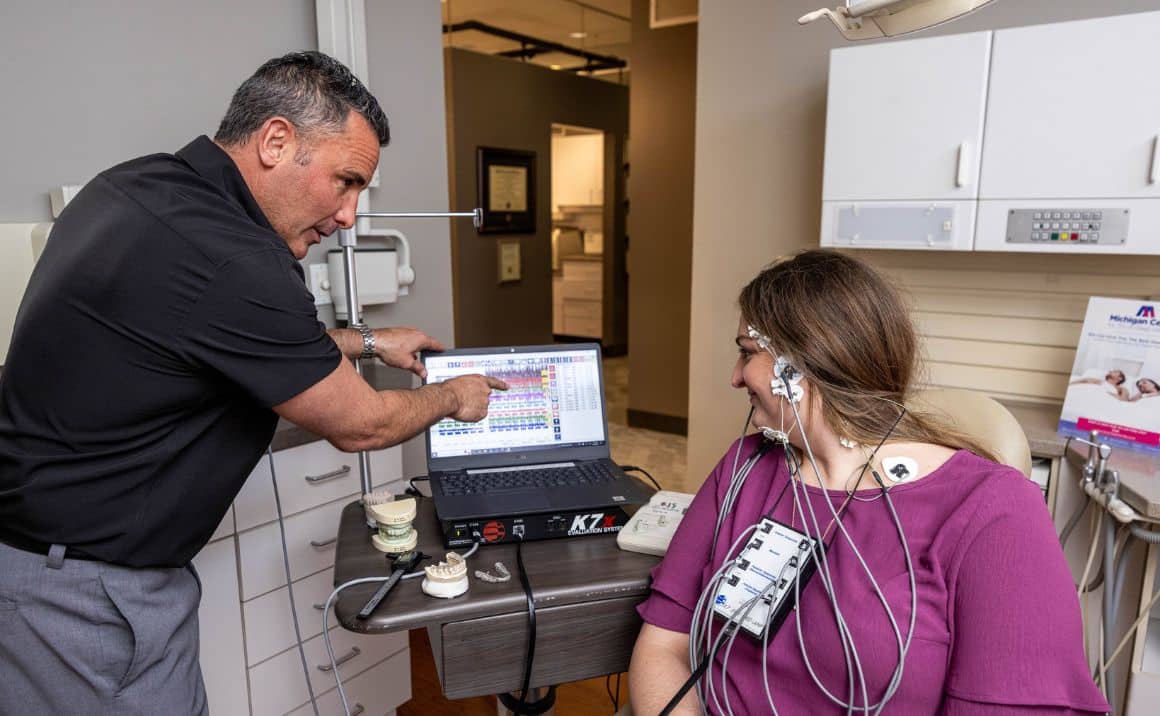
During your evaluation, we carefully assess the muscles responsible for chewing and jaw movement, along with the temporomandibular joints themselves. This examination helps identify areas of tenderness, tension, or dysfunction and provides important insight into the factors contributing to your symptoms.
Or Call (248) 480-0085


Advanced Diagnostic Technology
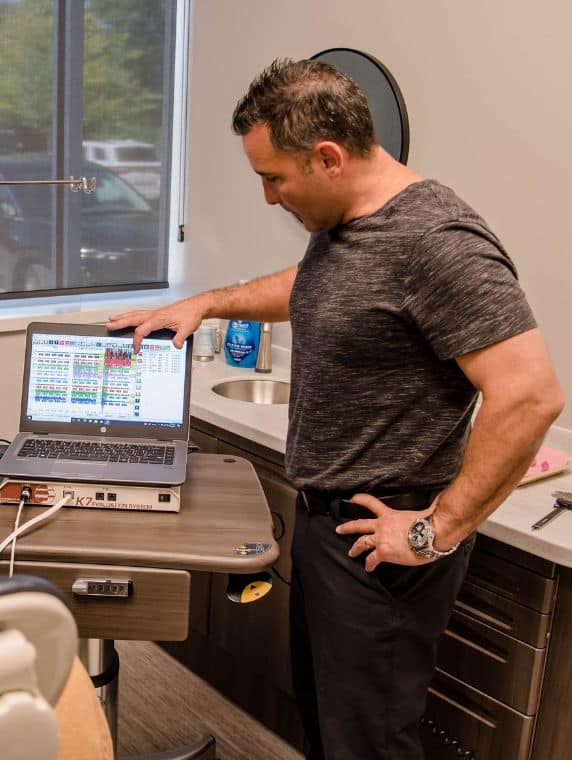
As a Detroit TMJ dentist, Dr. Jeffrey Haddad uses advanced diagnostic technology when additional information is needed to better understand the source of your symptoms. Depending on your clinical findings, this may include digital X-rays, 3D imaging, or other diagnostic tools that provide a detailed view of the jaw joints, muscles, and bite. These insights help support a more accurate TMJ diagnosis and personalized treatment recommendations.

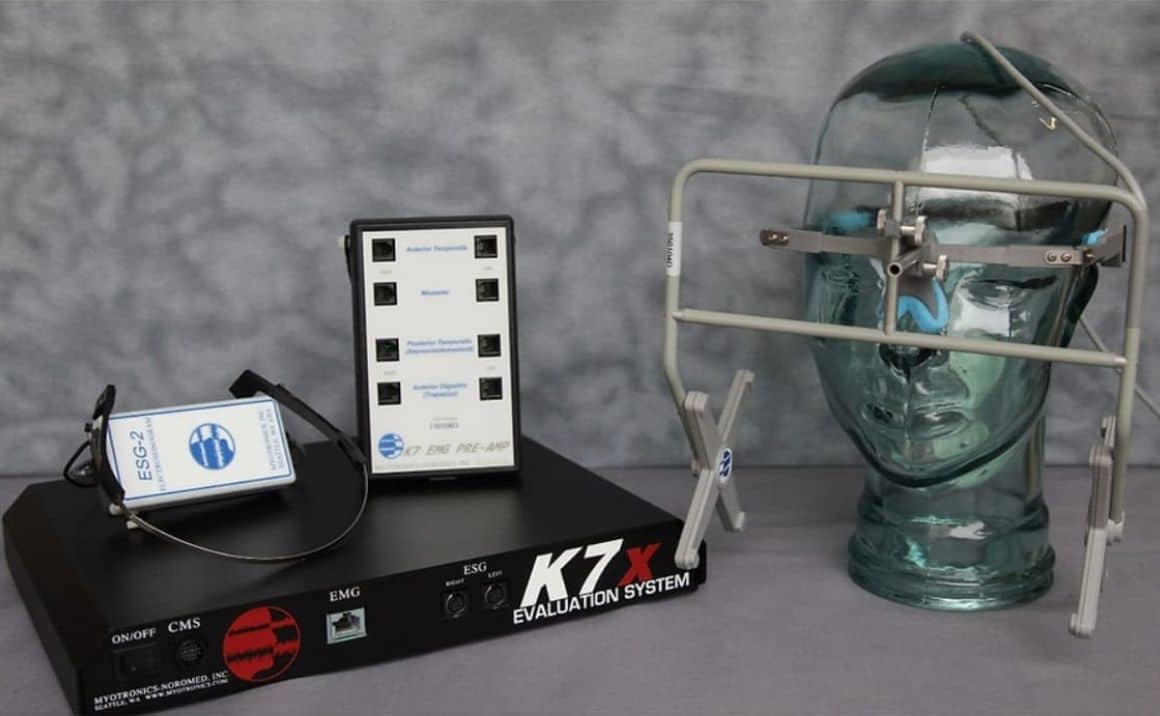
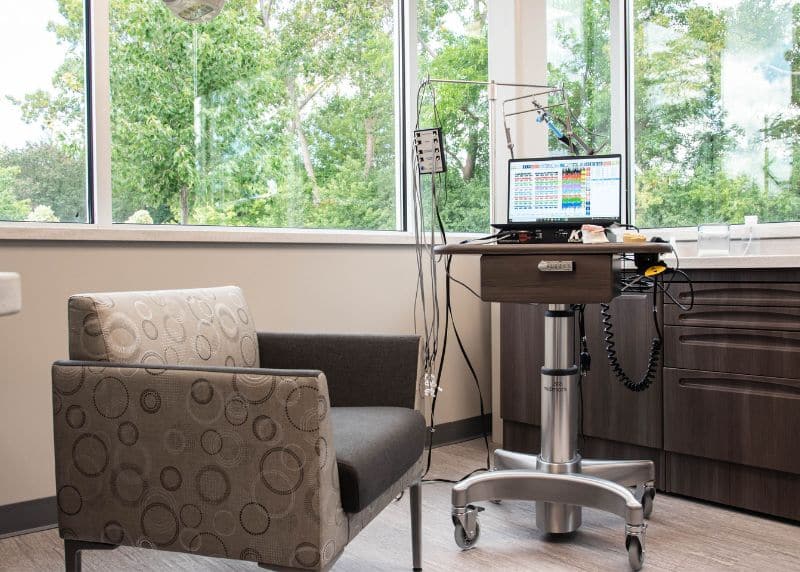
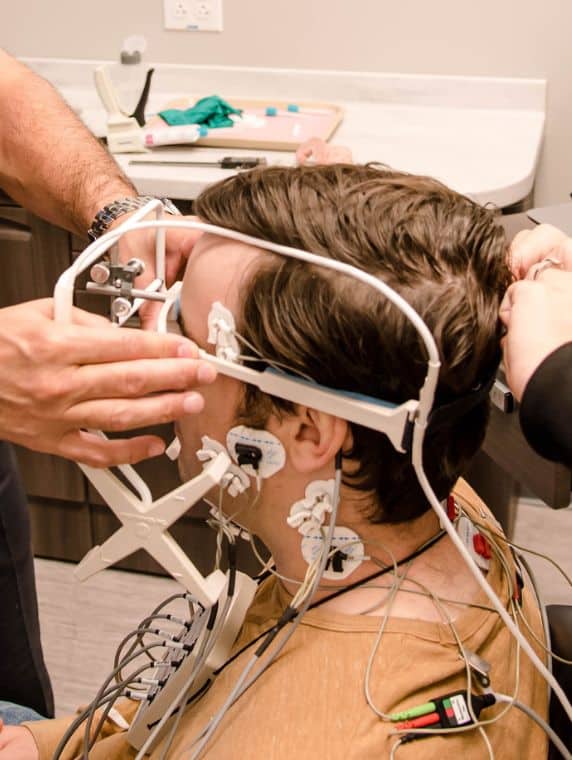
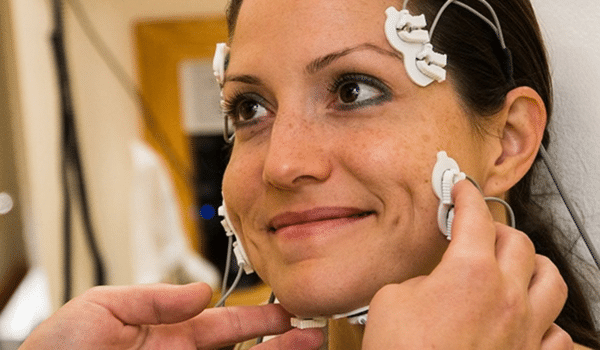
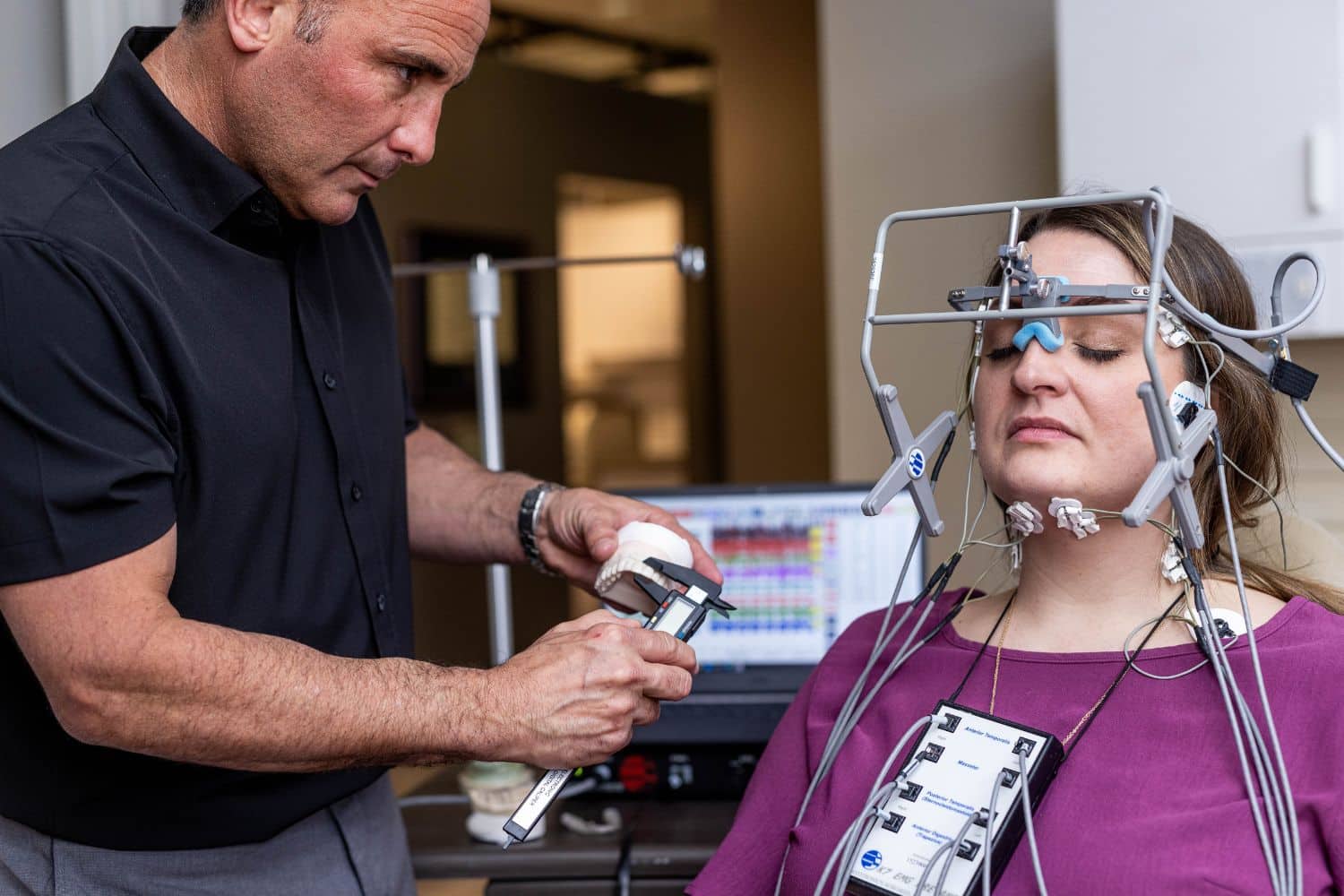
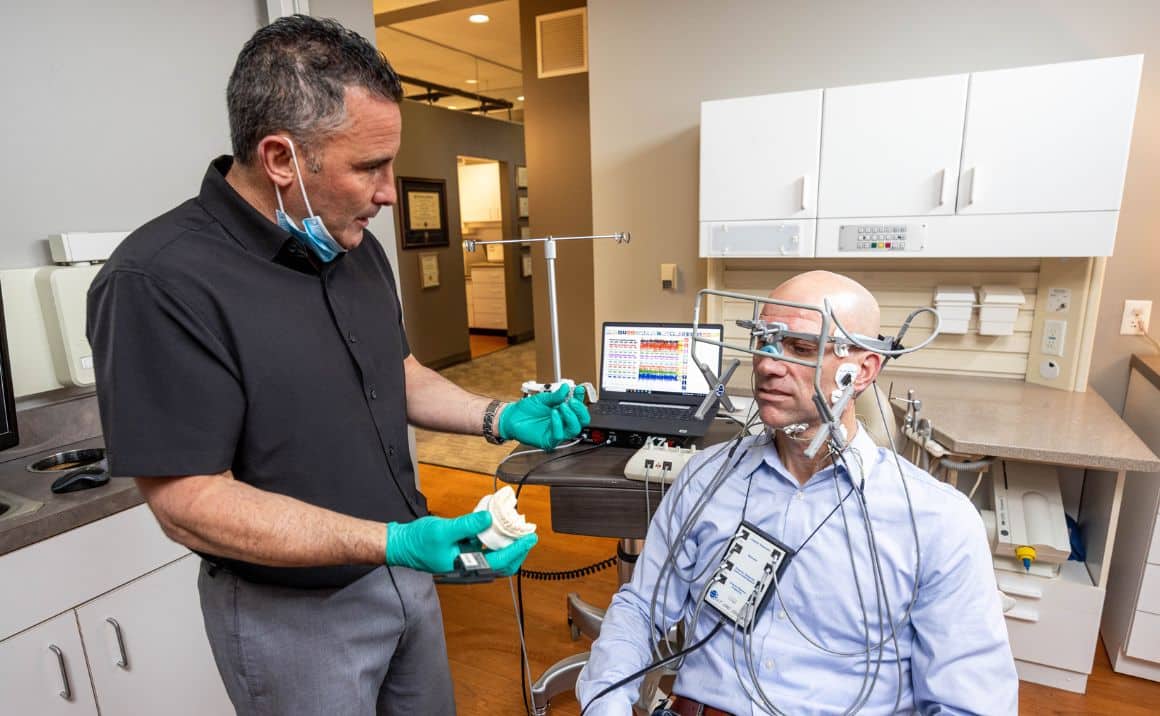
As part of the diagnostic process, Detroit TMJ dentist Dr. Jeffrey Haddad may also utilize K-7 technology to gather objective information about jaw function. This advanced system measures jaw movement, muscle activity, and joint function, providing valuable insights that can help confirm a diagnosis and support more personalized treatment planning.
To better understand the role muscle tension may be playing in your symptoms, Detroit TMJ dentist Dr. Jeffrey Haddad may use transcutaneous electrical nerve stimulation (TENS) as part of the evaluation process. This gentle therapy helps relax the jaw muscles, providing additional insight into jaw function, bite position, and overall TMJ health.
Importance Of An Accurate TMJ Diagnosis
An accurate diagnosis is the foundation of effective TMJ treatment. Detroit TMJ dentist Dr. Jeffrey Haddad combines clinical experience, advanced technology, and the TMJ PRECISION APPROACH™ to develop a comprehensive understanding of your symptoms and jaw function.
By evaluating the jaw joints, muscles, bite, and overall function of the jaw system, it is possible to identify the factors contributing to your discomfort and develop a personalized treatment plan. Whether you are experiencing jaw pain, headaches, ear symptoms, facial tension, or other symptoms of TMJ, a thorough evaluation can provide the clarity needed to move forward with confidence.
Or Call (248) 480-0085
Schedule A TMJ Evaluation In Detroit
If you have been struggling with jaw pain, headaches, ear symptoms, facial tension, or other symptoms of TMJ, an accurate diagnosis is the first step toward finding relief. Understanding the source of your symptoms can help you make informed decisions about your care and treatment options.
Detroit TMJ dentist Dr. Jeffrey Haddad uses the TMJ PRECISION APPROACH™ and advanced diagnostic technology to evaluate the jaw joints, muscles, and bite. Through a comprehensive assessment, we can identify the factors contributing to your symptoms and recommend the most appropriate path forward.
Or Call (248) 480-0085
Frequently Asked Questions
TMJ Diagnosis FAQs
TMJ Diagnosis FAQs
Have questions about TMJ diagnosis? You’re not alone. The FAQs below address common concerns about symptoms, evaluation methods, and what to expect during the diagnostic process, helping you better understand how TMJ disorders are identified and assessed.



Start Living Again
Patient Education Articles
Patient Education Articles
Learn more about TMJ diagnosis and related jaw conditions through our Patient Education articles. These resources explain common symptoms, diagnostic approaches, and how identifying the root cause of TMJ issues is an important step toward effective treatment and lasting relief.

Understanding Your Sleep Apnea Treatment Options
A good night's sleep is essential for your overall health, energy levels, and quality of [...]

What Causes Jaw Pain? A Comprehensive Look
Jaw pain can affect far more than your ability to chew. Many patients seeking TMJ [...]

Could TMJ Be Causing Your Chronic Headaches?
Do you suffer from chronic headaches, jaw pain, facial tension, or recurring head pain [...]
